
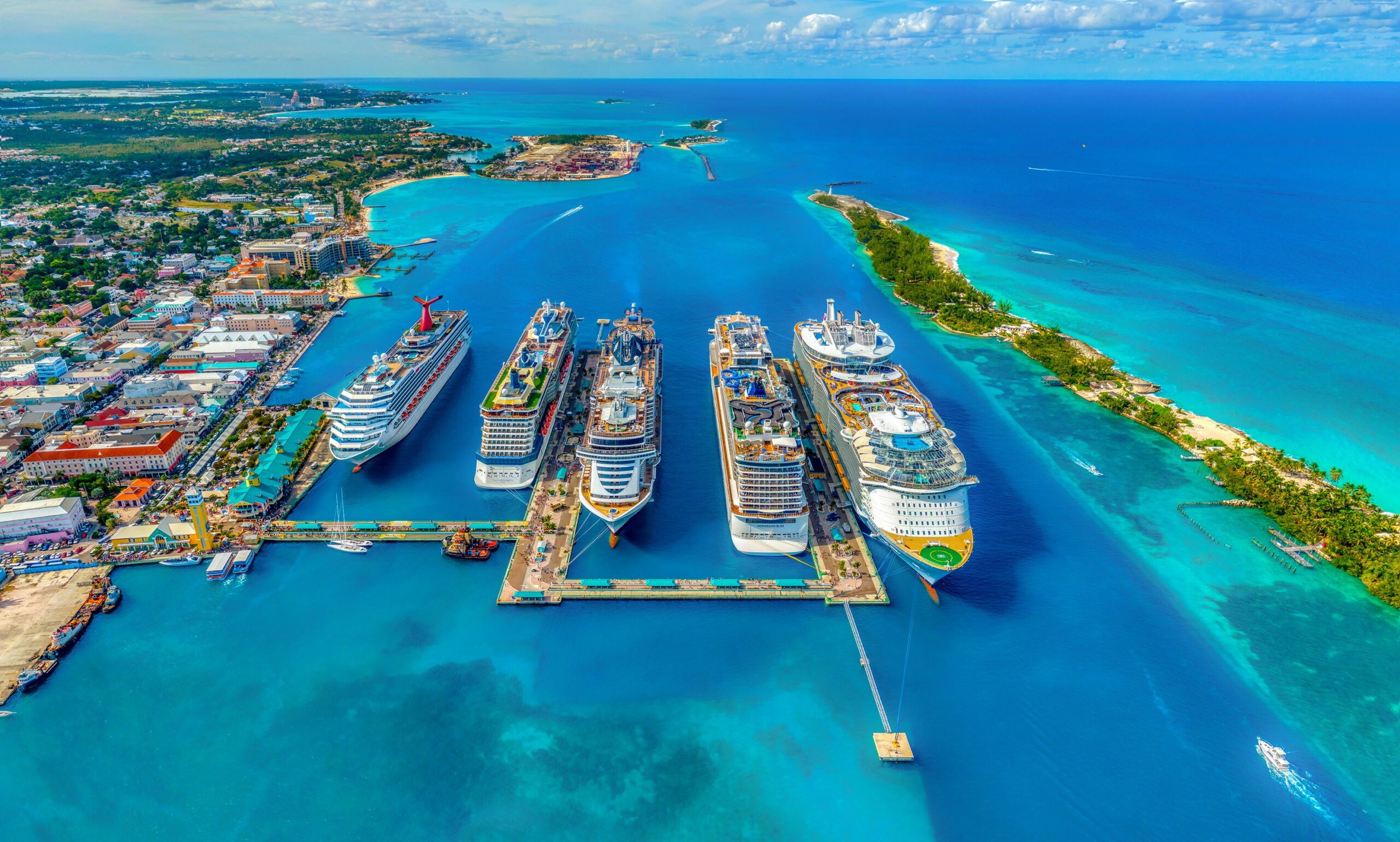
If you are planning a cruise wedding and want simplicity without sacrificing experience, an embarkation cruise wedding may be your best option. As a cruise wedding planner who specializes in destination weddings and weddings at sea, I guide couples through the logistics most people overlook. Although cruise lines provide wedding packages, understanding how embarkation weddings actually work ensures a smooth and stress free celebration.
What Is an Embarkation Wedding
An embarkation wedding takes place on the ship while it remains docked in the home port before departure. Because the ship has not yet sailed, guests who are not cruising can attend the ceremony and reception onboard. However, the timeline operates under strict port authority regulations.
Unlike traditional venues, cruise ships cannot extend their departure window. Therefore, every element of the day must align with the ship’s official schedule. With proper planning, this structure creates efficiency rather than pressure.
How the Booking Process Works
To begin, you select your cruise itinerary and sailing date. After securing your cabin, you choose an onboard wedding package through the cruise line.
Major cruise lines such as Carnival and Royal Caribbean offer embarkation wedding packages. For example, you can review general package details at https://www.carnival.com/weddings and https://www.royalcaribbean.com/plan-a-cruise/cruise-weddings.
Typically, these packages include a ceremony venue, officiant, basic decor, cake, champagne, and limited coordination. While the cruise line confirms the venue and arranges the included services, they do not provide comprehensive wedding planning. As a result, couples often need additional support to manage logistics beyond the package structure.
Guest Clearance for Non Sailing Guests
One of the most important aspects of how embarkation weddings actually work involves guest clearance.
When you invite guests who are not sailing, you must submit their names in advance for security approval. Each guest must present valid government issued identification at the terminal. In addition, their information must match the submitted list exactly.
Cruise lines also limit the number of non sailing guests allowed onboard.
After approval, these guests receive temporary boarding credentials and complete full security screening. Most importantly, every non sailing guest must exit the ship before departure time.
Crucially, the cruise line and onboard wedding coordinators do not manage this process for you. They do not track guests throughout the event. They do not gather attendees for disembarkation. They do not escort guests off the vessel.
If someone remains onboard past the approved window, the issue becomes serious. Because ships operate on fixed port schedules, departure will not be delayed.
For this reason, professional oversight protects both your timeline and your guests.
What Happens on Embarkation Day
On embarkation day, timing drives everything.
First, you and your guests arrive early at the cruise terminal. After security clearance and boarding, the ceremony takes place in your reserved onboard venue. Following the ceremony, you may host a reception or luncheon depending on your selected package.
Once the designated timeframe ends, non sailing guests must disembark. Meanwhile, sailing guests remain onboard and prepare for departure procedures.
Since cruise terminals operate under strict regulations, flexibility remains limited. Nevertheless, when structured correctly, the day flows seamlessly.
What Cruise Line Coordinators Actually Handle
Cruise line coordinators focus primarily on package inclusions and onboard logistics. They confirm the ceremony space, arrange the officiant, and coordinate the services outlined in your selected package.
However, they do not design a fully customized aesthetic. They also do not manage family logistics, oversee guest movement, or create detailed contingency plans beyond standard procedures.
Consequently, couples who expect full service planning often feel overwhelmed. Strategic planning fills that gap.
Why Embarkation Weddings Are a Smart Choice
When managed properly, embarkation weddings provide exceptional value. Because the venue, catering, staffing, and infrastructure already exist onboard, you eliminate the need to secure and coordinate numerous outside vendors.
Additionally, you transition directly into your honeymoon once the ship sails. This seamless shift creates both financial and logistical efficiency.
For couples seeking a cost conscious destination wedding, embarkation ceremonies offer structure without sacrificing experience.
Why You Need a Cruise Wedding Planner
Although cruise lines provide foundational services, expert guidance ensures everything works cohesively.
As a cruise wedding planner, I structure guest clearance timelines and manage embarkation day flow. Furthermore, I coordinate communication between you, your guests, and the cruise line. Most importantly, I monitor non sailing guest departure so no detail jeopardizes your celebration.
At The Prestige Planning Co, we specialize in cruise weddings, embarkation ceremonies, and weddings at sea. Learn more at https://theprestigeplanningco.com.
Ultimately, your wedding deserves more than a package. It deserves strategic planning, proactive oversight, and expert execution.
Ready to Plan Your Embarkation Wedding
Now that you understand how embarkation weddings actually work, you can make informed decisions with confidence.
If you are considering a cruise wedding and want clarity, structure, and professional support, schedule your consultation today. Together, we will design a seamless wedding at sea experience that protects your timeline, your guests, and your peace of mind.


View comments
+ Leave a comment